Equipment
Box Truck Dispatching: How to Find Consistent Loads for a 26-Foot Box Truck
A practical guide to box truck dispatching: where 26-foot box truck loads come from, what brokers expect from your equipment, and how to keep loads steady.
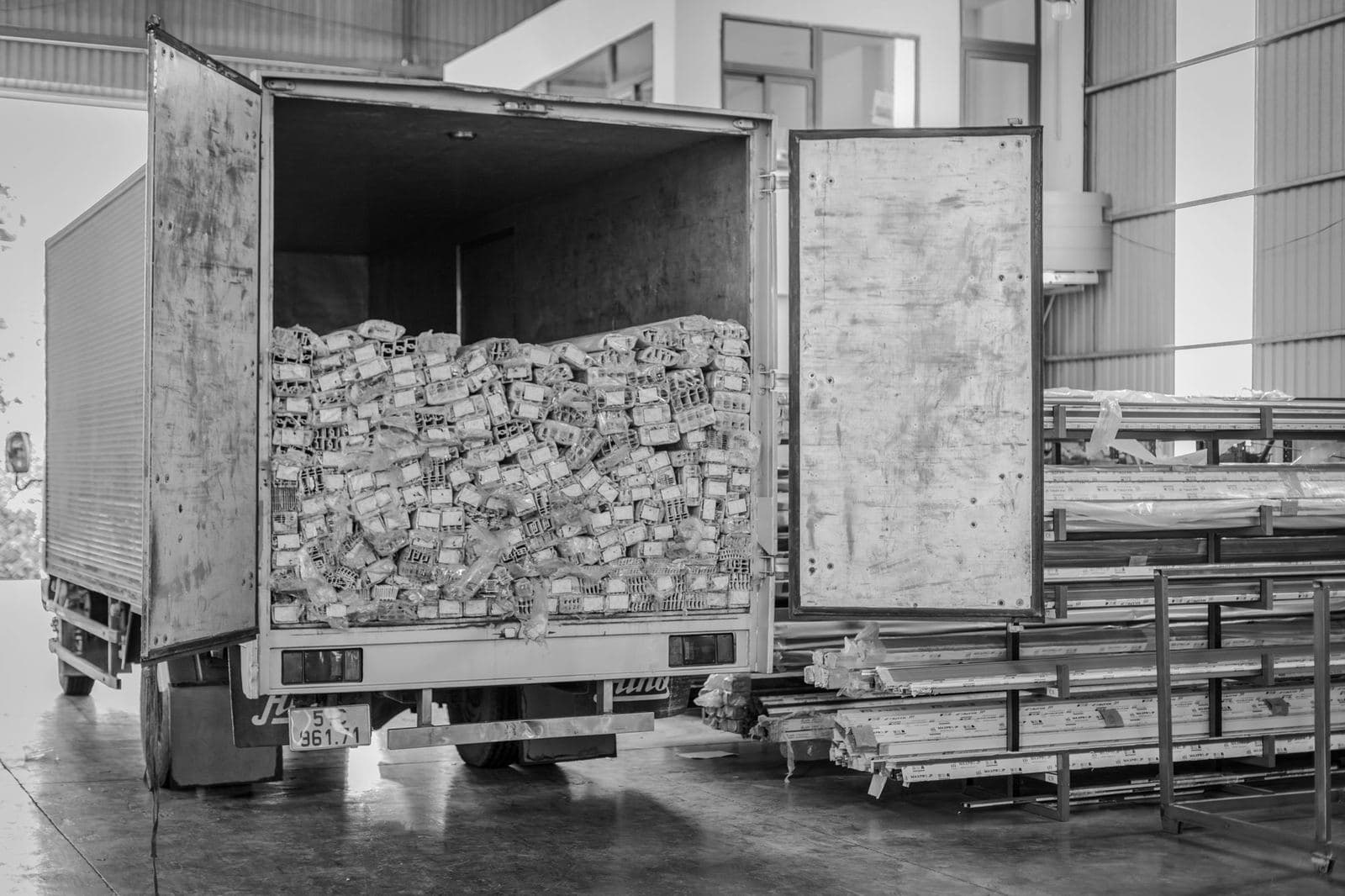
A 26-foot box truck can be a solid business, but only if it stays loaded. The challenge with box truck dispatching is that freight is spread across load boards, expedited brokers, local delivery work, and direct shippers, and the loads tend to be shorter and more time-sensitive than semi freight. This guide covers where box truck loads come from, what brokers expect from your equipment, and how to turn one-off loads into consistent weekly work.
Why owner-operators choose the 26-foot box truck
The 26-foot box truck sits in a useful middle ground. It's big enough to haul a meaningful number of pallets, but small enough to get into city docks, retail back doors, and residential streets where a 53-foot trailer can't go.
It's also accessible. Box trucks with a GVWR under 26,001 lbs generally don't require a CDL, which widens your pool of potential drivers if you grow into a small fleet. Don't confuse "no CDL" with "no regulations," though. If you haul for hire across state lines, you'll generally need a USDOT number and MC operating authority, and federal safety rules still apply. Check FMCSA's requirements for your specific truck and operation.
Know your truck before you look for loads
Brokers book box trucks on specifics. Before you call on a single load, know these details without having to look them up:
- Interior dimensions. Length, width, and door opening height. A 26-foot box often fits around 12 standard pallets, but measure your own.
- Payload. Your real payload is your GVWR minus what the truck weighs empty with fuel and a driver. Scale it if you're not sure.
- Liftgate. Many deliveries, especially to businesses without a dock, require one. Know its rated capacity.
- Door type. Roll-up doors take up some of your opening height, which can matter for tall freight.
- Equipment on board. A pallet jack, load bars or straps, e-track, and moving blankets open up more loads.
Being able to answer "Do you have a liftgate and a pallet jack?" right away makes you easier to book than the carrier who has to go check.
Where box truck loads come from
Box truck freight comes from several different channels, and each one rewards something slightly different.
| Freight source | What it usually looks like | What helps you win it |
|---|---|---|
| Load boards | One-off pallet and partial loads posted by brokers | Fast response, clear equipment details, a complete setup packet |
| Expedited brokers | Time-sensitive freight that needs to move now | Availability, quick pickup, steady communication |
| Final-mile and retail delivery | Store, business, or residential drops, often multi-stop | Liftgate, pallet jack, sometimes a second person |
| LTL and partial freight | Shipments too small for a full trailer | Planning stops so they fit together efficiently |
| Dedicated routes | Recurring runs for a shipper or logistics company | An on-time record and clean paperwork |
Load boards
Most load boards let you filter for box trucks or straight trucks. The best posts move fast, so speed matters. Have your MC number, insurance details, and truck specs ready before you dial.
Expedited and small-truck brokers
Some brokers focus heavily on expedited and small-truck freight. Getting set up with them and checking in regularly keeps your truck on their radar when something urgent comes up.
Local and final-mile shippers
Furniture and appliance sellers, distributors, building supply companies, and third-party logistics providers often need box trucks for metro deliveries. This work usually means multiple stops, liftgate use, and sometimes inside delivery, so ask exactly what's expected before you accept.
Dedicated routes
Dedicated routes are the closest thing to guaranteed consistency in box truck work. They're harder to land when your authority is new, but a track record of on-time deliveries and clean paperwork makes you a stronger candidate. If your authority is brand new, our guide to getting your first loads with a new MC authority covers what to expect from brokers.
How to build consistent box truck loads
Consistency rarely comes from one great broker. It comes from a system you repeat every week.
- Pick a home market and learn it. Box truck freight is often regional. Know which nearby metro areas ship regularly and which ones leave you sitting.
- Plan the next load before you deliver. Start looking for your reload while you're still loaded, not after you're empty.
- Build repeat broker relationships. When a broker knows your truck and your reliability, they call you first.
- Stay reachable. Answer calls, accept tracking requests, and send updates without being asked.
- Keep paperwork clean. Send signed BOLs and PODs promptly so invoices go out fast and brokers see you as low-maintenance.
- Avoid long one-way runs into weak markets. A big rate into an area with little outbound box truck freight can cost you the next two days.
What to watch on box truck rates
Short box truck runs are often quoted as a flat rate rather than per mile. That makes it easy to lose track of what you're really earning. Divide the rate by total miles, including the empty miles to pickup, to see your true rate per mile.
Then account for everything the load asks of you:
- Number of stops and expected time at each one
- Liftgate use, driver assist, or inside delivery
- Waiting time, and whether detention is paid
- Tolls and city congestion on urban routes
- Where you'll be when the load delivers
Empty miles hit box trucks hard because many loads are short. Our post on cutting deadhead miles walks through the math. For negotiating the rate itself, see how dispatchers negotiate better freight rates.
Common box truck dispatching mistakes
Booking loads that don't fit your truck
Saying yes to a load that's over your payload, too tall for your door, or needs a liftgate you don't have leads to refused loads and burned bridges. Confirm weight, dimensions, and pallet count before you accept.
Underpricing multi-stop work
Five stops in a busy city can take far longer than the miles suggest. Ask for extra stop pay and price in the time, not just the distance.
Ignoring unloading requirements
"Driver assist" and "inside delivery" mean physical work and extra time. Make sure the rate reflects it, and that whoever's driving knows what's coming.
Chasing every load instead of building lanes
Jumping from one random load to the next can keep you busy without building anything. The carriers with steady weeks usually run familiar areas for familiar brokers and customers.
How a box truck dispatcher helps
A dispatcher who knows box truck freight keeps the search, the calls, and the paperwork moving while you drive. That means finding loads that fit your exact specs, handling broker setup packets, negotiating rates and accessorials, and planning the next load before you're empty. Our box truck dispatch service explains how we work with 26-foot trucks, and you can see the full list of dispatch services we offer. To understand what dispatch typically costs, visit our pricing page.
Keep your box truck loaded with Aero Glide Logistics
If you run a 26-foot box truck and want steadier weeks, Aero Glide Logistics can help you find and book the right freight. Take a look at how it works, then contact us or call (214) 233-6510 to talk about your truck, your equipment, and the areas you want to run.